20 Of The Most Amazing People In The World

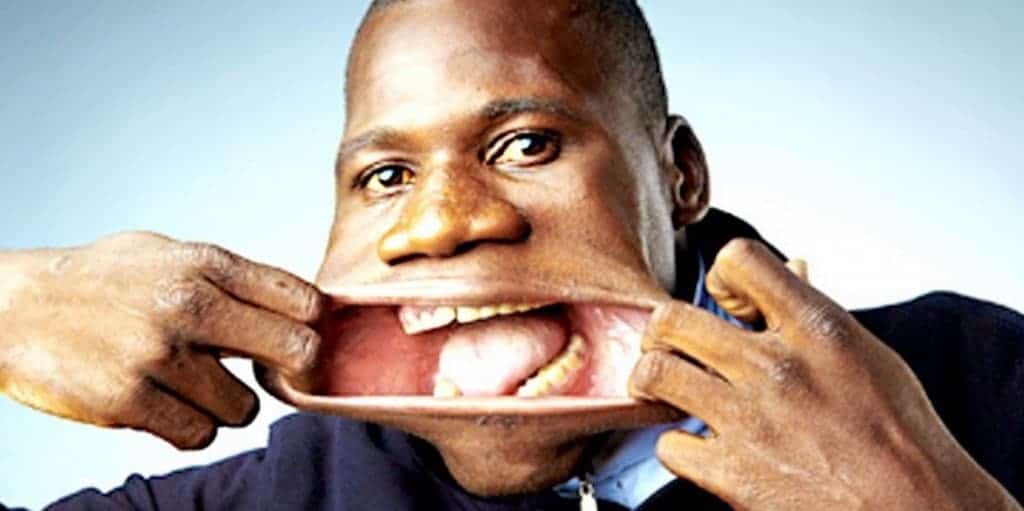
Biggest Mouth

Francisco Domingo Joaquim is a man with an extraordinary ability. He holds the record for the biggest mouth in the world. Joaquim’s mouth measures 6.69 inches and he can easily fit a soda can in it.


Doctor NakaMats

Japanese inventor Yoshiro Nakamatsu, also known as Doctor NakaMats, holds the world record for the most inventions including the PyonPyon spring shoes. Nakamatsu has been photographing and analyzing each meal he has eaten for 40-years.


Metal-Eating Man

Over the course of 40 years, Frenchman Michel Lotito consumed nine tons of metal. In his youth, Lotito suffered from a mental disorder known as pica, a disorder in which people compulsively consume non-edible items such as plastic. Once Lotito began experimenting with more harmful items, such as glass, he learned that the thick lining of his intestines and stomach allowed him to eat almost anything.


Oldest Yoga Instructor


A 96-year-old woman named Tao Porchon-Lynch has been practicing yoga for over 70 years. Porchon-Lynch starts each morning at 5 am to teach her students how to stretch, bend and master the most complicated yoga poses.


Iron Queen

Asha Rani has established two world records for raising weights with her hair and ears. The 23-year-old woman has been dubbed the Iron Queen because of her impressive strength.

Oldest Active Pilot


According to Guinness World Records, Peter Weber Jr. is the oldest active pilot in the world. The 95-year-old California man has been a pilot for 72 years and said that he flies about two times per month.


Smallest Waist

A 26-year-old woman named Michele Kobke has shrunk her waist down from 25 inches to 16 inches by wearing a corset daily for three years. The German woman hopes to whittle her waist down to 14 inches.

Woman Who Can Remember Everything


Jill Price says that she can remember everything since her teen years such as who she met, what she ate and what time she awoke. Each detail about each day is locked in her brain and can be triggered by locations and smells.


Oldest Man To Climb Mount Everest

In 2013, at the age of 80, Yuichiro Miura became the oldest person to climb the world’s highest mountain — Mount Everest. Miura came to public attention back in 1970 when he became the first individual to ski down Mount Everest.

Man Who Permanently Raised His Hand

In 1973, Sadhu Amar Bharati raised his arm in honor of Hindu god Shiva and he has not put it down since. Many of his followers have followed suit, lifting their own arms for decades.


Bionic Woman

Eileen Brown, from England, has had several operations over the last 20 years. Brown’s only remaining natural joints are her left elbow and left hip.

Skydiving Granny


Georgina Harwood, 100, enjoyed skydiving in March this year in South Africa. This was the third time that the adventurous grandma has gone skydiving; she did her first jump at the age of 92.


World’s Bendiest Woman

Julia Gunthel, a Russian girl known as Zlata, is the bendiest woman alive in the world and remarkably included in the Guinness Book of Records. She lives and operates in Germany.

Longest Recorded Working Career In One Job

The longest recorded working career in one job was that of Miss Polly Gadsby who began work with Archibald Turner & Co. of Leicester, UK at nine years of age. After a service of 86 years, Gadsby was still at her bench wrapping elastic at 95 years of age.


Oldest Pole Dancer

A 60-year-old woman practices pole dancing in Nanjing, Jiangsu Province of China. Sun Fengqin began pole dancing back in 2012 and has since become a web celebrity in China.

World’s Longest Mustache

Ram Singh Chauhan, who hails from India, is the proud owner of the longest mustache in the world. Chauhan’s moustache is 4.29m long and he spends one hour each day combing and cleaning it.


Powerful Lungs

Manjit Singh holds the record for the most powerful lungs in the world. He used his lung power to inflate a balloon to a diameter of 2.5 meters in 42 minutes.

X-Ray Eyes

Natasha Demkina from Russia claims to have X-ray-like vision, which allows her see inside of people, to make diagnoses that frequently are more accurate than those of physicians. She has a growing following of journalists, doctors and patients who are convinced her powers are genuine.


Devil Horns

In 2010, a Chinese woman named Zhang Ruifang surprised her family and friends when she made headlines for growing a horn on her forehead.

Incredible Hulk

Romario Dos Santos Alves, a Brazilian body builder, was so desperate to imitate the incredible Hulk that he actually injected his arms with a deadly combination of alcohol and oil. The 25-year old man put his life at risk in the process and almost had his arms amputated.

7 myths and truths about healthy skin

Skin is our largest organ and something we may take for granted when it’s healthy. As an academic dermatologist I frequently hear misleading “facts” that seem to be stubbornly enduring.
Here are some of the most commonly shared myths that can be cleared up immediately, and some truths you can rely on.

Truth: Skin constantly renews itself

The skin provides a dynamic barrier between your body’s internal environment and the outside world. Cells called keratinocytes in the epidermis (the outer layer of skin) are constantly dividing to produce a supply of cells that move up through this layer and are shed from its surface. Skin is a rich source of stem cells with the capacity to divide and renew themselves.

False: Drink two litres of water a day for healthy skin

The amount of water you drink does not directly affect your skin. Water is supplied to the skin by blood flowing through the dermis, the inner layer of skin; water is lost from the epidermis, especially in a dry environment.
Image: iStock

Water is needed to maintain skin hydration and when you become seriously dehydrated your skin appears dull and is less elastic. In a healthy person the internal organs – kidneys, heart and blood vessels – control the amount of water reaching the skin. There is no fixed volume of water that you need to drink, it simply depends on the amounts you are using and losing.

Truth: Stress can make skin unhealthy

There are many health issues in modern life that we blame on stress, but several skin conditions have been shown in scientific studies (see below), to be worsened by life events, possibly via stress hormones including cortisol (a steroid hormone made in the adrenal glands). Notable examples are alopecia areata, an auto-immune condition where the body’s immunity begins to attack the hair follicles, causing hair to fall out; psoriasis, another auto-immune condition that causes skin thickening, scaling and inflammation; and eczema, itchy red skin inflammation often occurring alongside asthma, hay fever and other allergies. Unfortunately a flare up of these skin conditions is exactly what you don’t need when you are feeling stressed or under pressure.

False: Eating chocolate causes acne

Acne vulgaris, the common “teenage” acne which can actually persist into your 30s and 40s, occurs as a result of the interaction between hormonal effects on grease glands in the skin, plus the skin’s immune response to blocked pores and microbes living on the skin.
Image: iStock

Eating a high fat diet is unhealthy for many reasons, but it doesn’t cause acne. In fact some tablets prescribed for severe acne such as oral isotretinoin are better absorbed when pills are swallowed with a fatty meal – and that could include chocolate.


False: Washing powder causes eczema

Eczema is a condition where the skin is dry, itchy and red. It is caused by a combination of genetic factors (how your skin is made) and environmental effects, leading to inflammation. Soap, detergents and washing powders can irritate the skin and contribute to dryness because they remove oil from the skin (just as washing-up liquid removes grease from your dishes). Biological washing powders contain enzymes – proteins that break down fats and other proteins to remove stains – and these can irritate sensitive skin, so they may worsen eczema. It is important that any washing powder is thoroughly rinsed out of clothing before it is worn, to avoid skin irritation.

False: White marks on nails = calcium deficiency

Image: iStock.

Nails are manufactured in the nail matrix, an area under the skin at the top edge of your nail. If the matrix is traumatised, bumped or bitten, an irregularity in the developing nail occurs and air can become trapped. This appears as a white mark as the nail grows out. Calcium is important for healthy nails (as well as bones and teeth) but these white marks are not a sign of deficiency.

True and false: Sunshine is good for you

Many people have experienced the feel-good factor of a sunny day, but there are good and bad effects of sunlight. Light from the sun includes a mixture of different wavelengths of light: some are visible to the human eye, some are shorter than the colours we can see – these are called ultraviolet (UV) – and some are longer, the infrared. Different wavelengths have different effects on skin.
sunscreen sun

UVB is used by skin to manufacture vitamin D which is essential for bone health. Without sun exposure this vitamin must be obtained from the diet. Dermatologists use specific wavelengths of UVA and UVB in carefully controlled doses to reduce skin inflammation, a valuable treatment for some skin conditions.
But when the skin is exposed to too much UV it can damage the skin cells’ DNA, leading to uncontrolled growth – the basis of cancer. As a simple rule, unless you have a disease or treatment that suppresses your immune system, sunshine is good for you in moderation, but always avoid getting sunburned.

Keep it simple

The basic principles of keeping skin healthy are mainly common sense. You should wash your skin regularly to remove dirt, but not so much that you remove the essential moisture and water-proofing substances. Use a moisturiser if your skin feels tight or dry – a greasy ointment works best unless you have acne-prone skin, in which case you should use a non-greasy water-based cream. Avoid stress if possible, eat a healthy diet and drink water when you feel thirsty. And finally, protect your skin from too much sun with a hat and clothing or sunscreen.

10 good food habits

  1. Always eat breakfast
    Studies show that individuals who eat a substantial breakfast lose more weight than those who have a small breakfast. Choose eggs or baked beans on wholegrain bread, or muesli with fruit and yoghurt.
  2. Eat your fruit and veg
    Aim for three cups of vegetables and two fruits each day. Fill half your plate with vegies at lunch and dinner, and add fruit to your breakfast and for a snack on the way home from work.
  3. Take time to shop each week
    If the food is not in the house, how can you eat well? Schedule in time to shop each week or shop online.
  4. Walk for 10,000 steps or exercise for an hour each day
    pedometer is extremely useful in providing feedback on how many steps you are racking up each and every day.
  5. Sit down at the table to eat
    Not only do you eat more slowly and often less food, but you'll enjoy the social experience of dining.
  6. Always carry a protein-rich snack with you
    This way you'll avoid eating high-fat food on the run. Great options to keep handy include nut- or protein-based snack bars, hard fruit such as an apple or a few wholegrain rice.
  7. Have a green tea after meals
    Green tea is high in antioxidants and can help increase metabolic rate.
  8. Always carry a water bottle
    Drink at least two bottles of water a day instead of juice, cordial or soft drinks.
  9. Choose wholegrain, low-GI bread and breakfast cereal
    Aim for the best-quality breads, crackers and breakfast cereals, as these are foods we eat every day.
  10. Always eat carbohydrates and proteins together
    Try eggs on grain toast, yogurt and fruit, crackers and cheese and wholegrain bread with tuna or chicken.

10 daily habits of the most intelligent people.

1. Prioritize an appropriate amount of sleep.

The most intelligent people recognize the importance of sleep in sustaining high levels of physical and mental energy during the day. Kant and Franklin averaged about seven hours of sleep per night, while Freud, somewhat of a night-owl, averaged six.

2. Allow for appropriate transition time in the morning.

Morning routines make or break you because they have a major impact on your mental state. Benjamin Franklin took time each morning to reflect and set specific intentions each day, while Freud preferred to eat breakfast and then ensure that he was well-groomed for the day. Immanuel Kant started his morning with tea, meditation, and smoking his pipe.

3. Designate specific times for your primary aim.

Kant spent a minimum of four hours each day writing and consulting with Joseph Green to further his philosophy. Franklin spent 8 hours covering a wide range of his varying interests from music to language to science. Freud, immersed in his work, spent around 10 hours with psychoanalytic patients each day.

4. Find an optimal balance between your input and output.

Some people need much more input than output, while others may function better with the opposite balance. Benjamin Franklin spent about nine hours each day doing some type of activity that gave him energy and only eight hours doing things that took energy. Freud and Kant preferred to spend between 11 and 12 hours engaging in output and spending 5-6 hours recharging (not counting sleep).

5. Minimize your distractions--especially the digital ones.

During my investigation of each person's schedule, I was struck by the lack of distractions. While technology has it's drawbacks, I think a lot of the difficulty involves setting boundaries with yourself. Turn off your notifications and allocate specific time to getting caught up and informed. The most intelligent people spend more time immersed in each moment than they do multitasking.

6. Get up early in the day.

While this may not apply to certain artists and creative-minded folks, the three people I studied all enjoyed getting up early in the day. Kant and Franklin both started their mornings at 5am, whereas Freud got started at 7am, but was also up writing until 1am. Start treating each day as an opportunity for growth.

7. Prioritize down-time to decompress and recharge.

One thing that surprised me was that each person I researched chose to schedule downtime. Freud allowed time to relax after seeing patients. Kant and Franklin enjoyed reading, eating, and listening to music to recharge.

8. Exercise daily--even if it's only an hour.

Freud and Kant were both big fans of taking afternoon walks to reset themselves. Some of this walking was leisurely, however, Freud was known to pace through Vienna with haste. Franklin didn't exercise, but he was most certainly overweight even without being exposed to the high fructose corn syrup we have today.

9. Maximize your most productive hours in the morning and afternoon.

Everyone I studied knew that their most productive hours were in the mornings and afternoons. They each spent most their time in the mornings and afternoons doing their primary passion. Find what works for you and then maximize that time.

10. Simplify your schedule as much as possible.

The final takeaway I had from combing through the schedules of Sigmund Freud, Immanuel Kant, and Benjamin Franklin was their simplicity. Everyone knew that simplicity is velocity and that the most intelligent, productive, and inspired people to try to reduce unnecessary complexity in their lives.

10 ‘Unsolved’ Mysteries Of The World That You Probably Didn’t Know Were Already Solved

1. The Bermuda Triangle

Mystery: Also known as the Devil's Triangle, it is a loosely defined region in the North Atlantic Ocean, where many aircrafts and ships are said to have disappeared under mysterious circumstances, never to be seen again. 
Solved: According to research, the average number of crafts disappearing here is the same as in any other well-traveled part of the ocean. What that implies is, take any other part of the ocean that has seen its fair share of traffic, and you'd end up with a similar number of 'disappearances'. This story has survived on unnecessary hype. There have been no major disappearances since 1999. 


2. The Bloop

Mystery: It is a mysterious ultra-low-frequency and an incredibly loud sound originating in the South Pacific that was heard by two stations which are separated by 5000 kilometres. People started to think it might be produced by an enormous animal that has never been seen before. 
Solved: The NOAA Vents Program attributed the sound to that of a large icequake. Numerous icequakes share similar spectrograms with Bloop, as well as the amplitude necessary to spot them despite ranges exceeding 5000 km.


3. Egyptian Pyramids

Mystery: The world has been baffled for years about just how slave workers transported the massive blocks across the Valley of the Kings in around 2000 BC to build the majestic pyramids. It has often been called a work of the aliens.
Solved: Dutch researchers have figured that the Egyptians placed heavy objects on a sledge, pulled by hundreds of workers, and simply poured water on the sand in front of it, which made it easier for the sledges to glide over the sand. 
It really did take us thousands and thousands of years to crack something this simple! Or, do you think it took us more years to believe it could have been this simple?


4. Ica Stones 

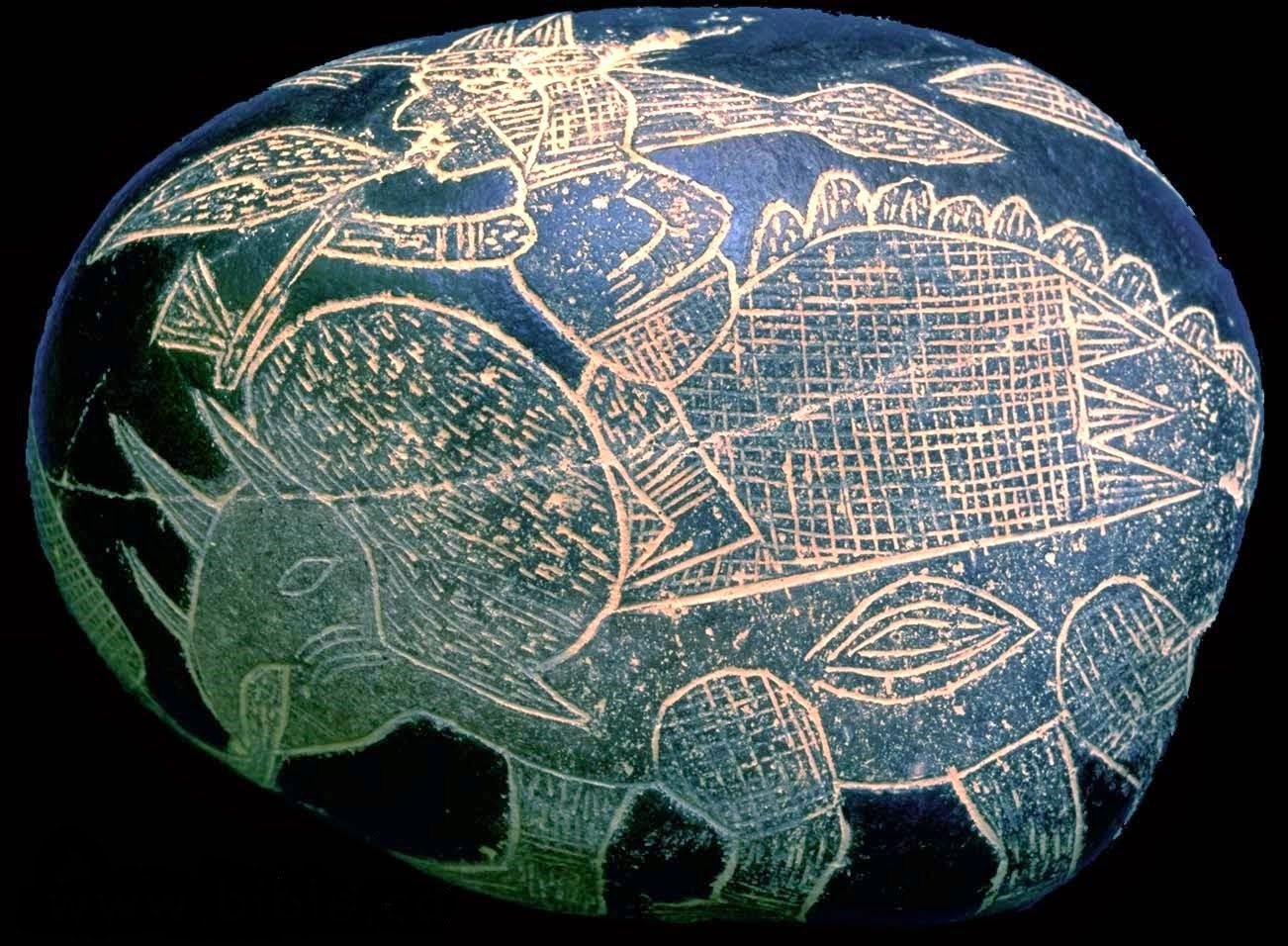
Mystery: They are a collection of andesitic stones from the Inca Empire found in Ica Province that bear a variety of diagrams. Some of them supposedly have depictions of dinosaurs, and advanced technology. Wonder how people could predict it all, back in that age!
Solved: Javier Cabrera Darquea collected and popularized the stones, obtaining many of them from a farmer named Basilio Uschuya, who after claiming it to be real ancient artifacts, confessed that he produced a patina by baking the stone in cow dung to give it an authentic look, and, created the carvings using a knife.


5. The Iron Pillar, Delhi

Mystery: A major tourist attraction, it has successfully avoided rust for around 1600 years despite being in open air. Most people naturally leave the explaining to ancient supernatural elements. 
Solved: Scientific analysis proves that the pillar is coated with iron containing phosphorous that prevents it from corrosion. 


6. Side notes in Homer's Odyssey


Mystery: The notes in the margin of this edition baffled people for a very long time. Was it a clue to something more important or was there a message hidden in it?
Solved: Turns out the marginalia was nothing but scribbled translation of the book in an archaic French shorthand. 


7. The crew of Mary Celeste

Mystery: The entire crew of Mary Celeste disappeared like poof! It was as if the whole ship just vanished in thin air without any explanation, leaving everyone confused and worried!
Solved: She was found later. It looks like the crew abandoned the ship when the alcohol on the board combusted. The crew, however, was never seen again. Scientists determined that a vapour based explosion would not damage anything, but it would still be a petrifying experience. 


8. Loch Ness monster

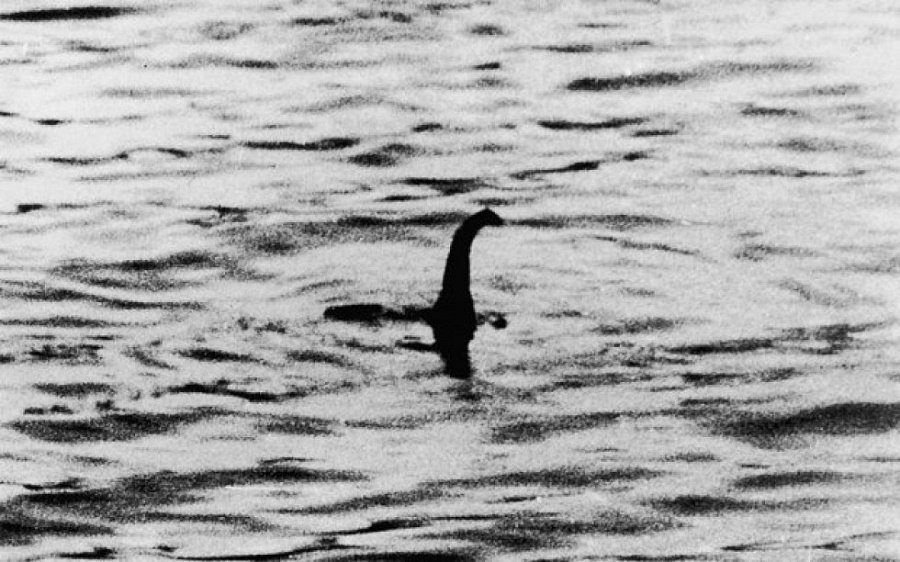
Mystery: Nessie, the Loch Ness Monster, was the most well-known lake monster in the history of lake monsters. Some people believed it to be a living dinosaur or even a sea serpent that swam into the lake before it became landlocked. But Nessie became a reality for a lot of people and shot to stardom after a photograph of the monster showing his head and neck was published. 
Solved: The image, taken by a surgeon from London, was later admitted as a hoax.


Source - Scmp

 9. People who believe in ghosts 

Mystery: All of us have met at least one person would go to any extent to make us believe that he/she has seen a ghost (at least once). Most of us got carried away by their stories, restlessly fearing something similar might happen to us.
Solved: They probably have active left temporoparietal junctions. Scientists have found that a small electric shock in that part of the brain cause people to see someone else in the room. Keep that in mind the next time you meet someone instead of letting it make your blood run cold.


10. Mystery Spots

Mystery: They are said to be sites where the magnetic field behaves erratically and makes objects fall.
Solved: They are rotated and are at an inclination of 20 degrees. It interferes with your sense of judgment so you can't tell where the horizon is.